Elden Ring Guide
Elden Ring
Elden Ring
- The basics
- Elden Ring beginner's guide
- Elden Ring Trophy checklist
- How to upgrade summons in Elden Ring
- How to use spells
- What does the Faith stat do?
- Exploration
- Area order - How should you play the game?
- How to get to Nokron
- Bosses
- Full list of all Limgrave bosses
- Items
- Full list of all Talismans
- Best Talismans for Mage builds
- How to get the Jar Canon weapon
Elden Ring is my favourite Souls game. I’ve sunk well over 300 hours into the game, and I still can’t get enough. One of the reasons for that is its big, unforgiving, and occasionally confusing open-world, which I also know can be incredibly overwhelming for a lot of new players.
Unfortunately for you, there are no difficulty settings, so you’re going to need to get good. If you are struggling though, take a look through the guide I’ve written up here that covers the basics, and look through my subsequent guides that cover other mechanics within the game. The first few hours will feel rough, but give it time and, hopefully with my help, you can become Elden Lord.
⚠ Watch Out
This guide won’t spoil boss names, story beats, or late-game areas. It’s here to get you comfortable with the systems — the rest is yours to find.
Picking your class
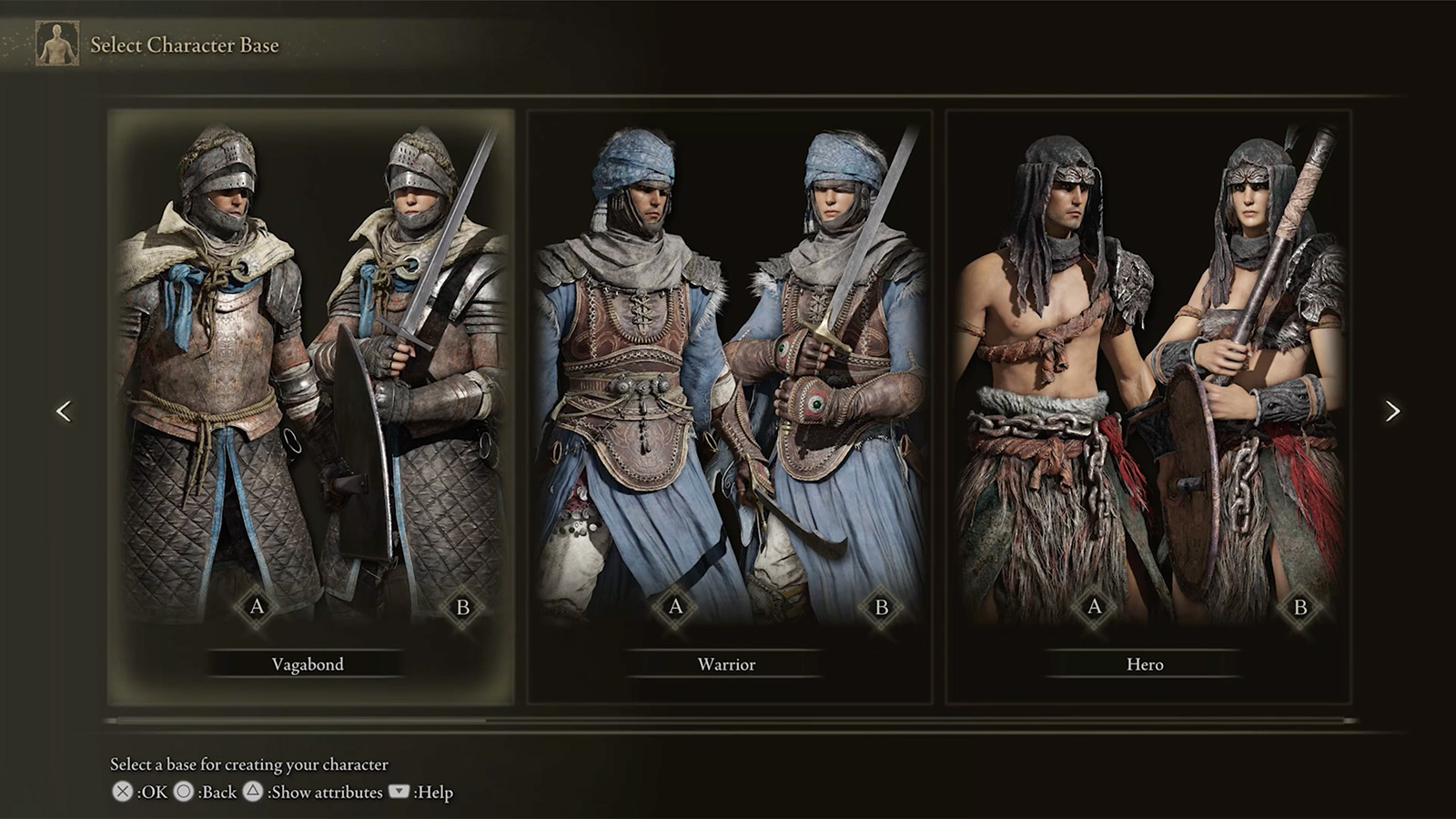
Your starting class determines your base stats and what gear you begin with. It does not lock you into a playstyle — you can level anything across the board. That said, it’s easier to lean into your starting build early on rather than fight against it.
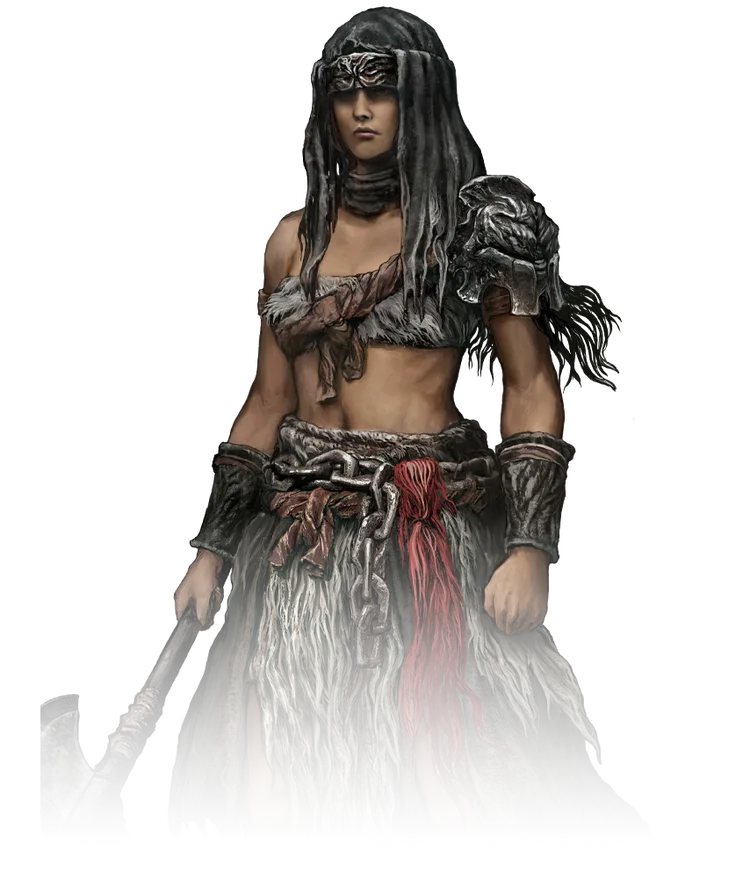
Hero
Strength buildSlower, heavier, and hits very hard. Great if you want to use big weapons. Rolls a bit like a shopping trolley at first, but you’ll get used to it.
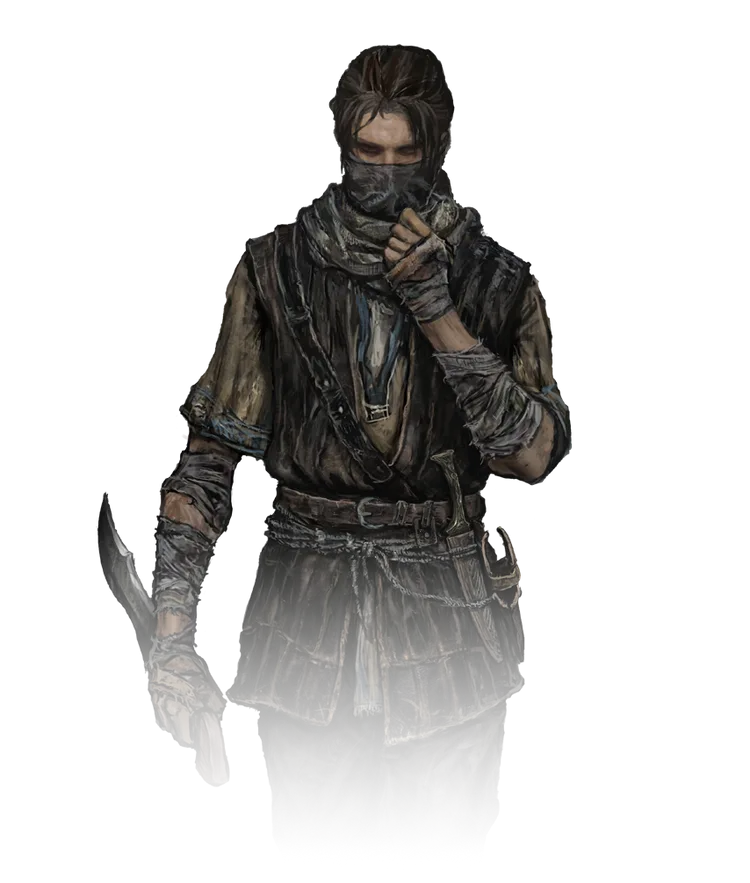
Bandit
Stealth & critsBuilt around ranged attacks and critical hits. High Arcane stat makes it a strong pick for bleed builds later on, but it takes more game knowledge to get there.

Astrologer
Magic usersStarts with sorceries you can cast from a safe distance. Useful if you’d rather chip away at enemies than trade blows up close.

Warrior
Dual wieldStarts with two scimitars and is built for fast, aggressive play. High Dexterity makes it a great foundation for a dual-wield or katana build down the line.
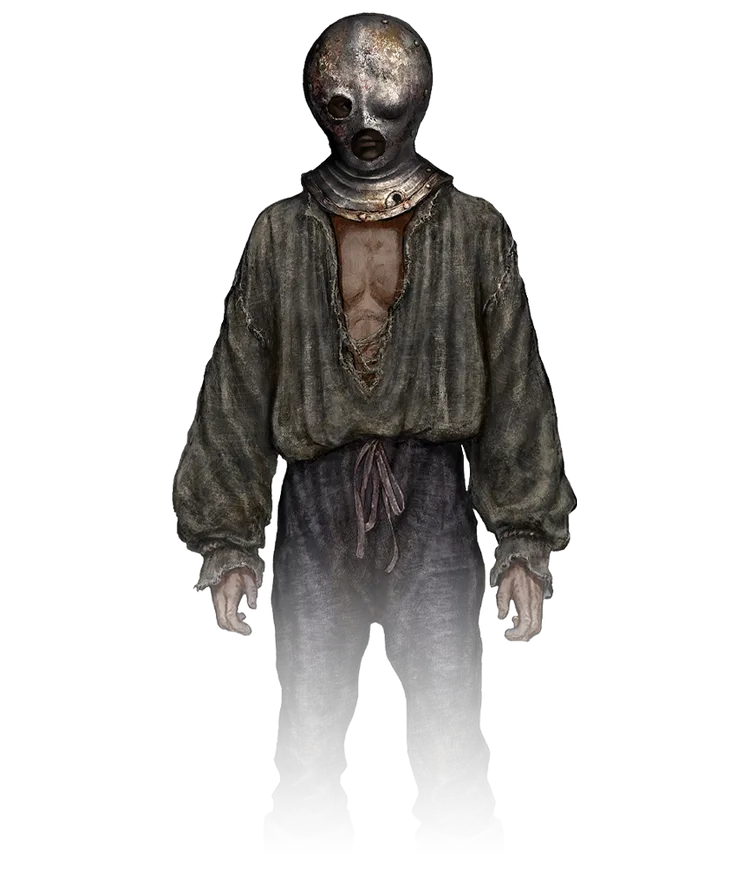
Prisoner
Balanced hybridA mix of melee and magic. Takes a bit more stat management but gives you flexibility. Good second playthrough class if you want to experiment.
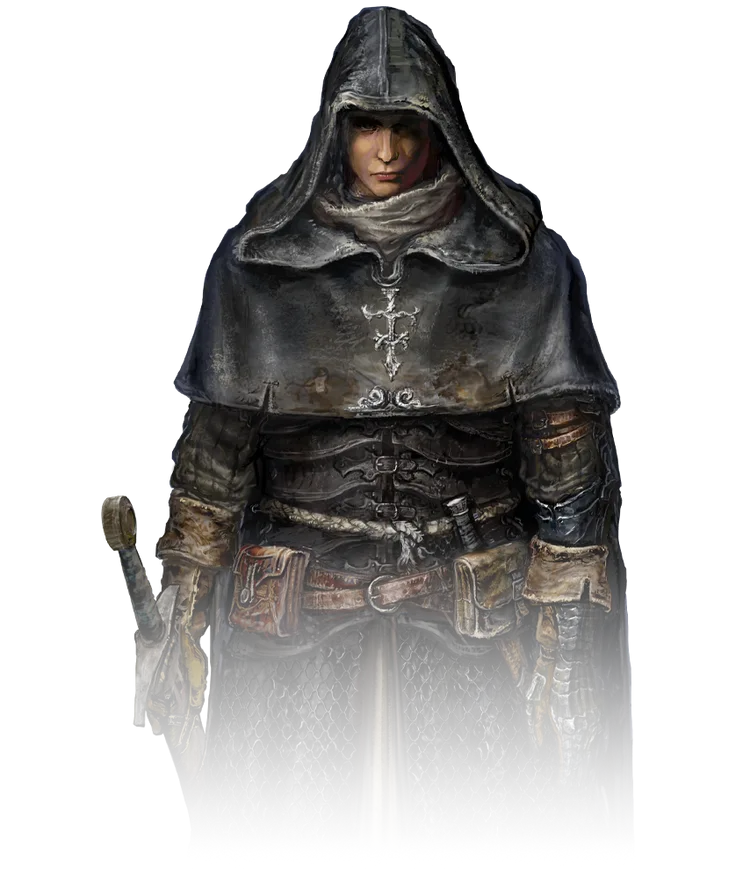
Confessor
Faith hybridA melee fighter with access to incantations. Solid defensive stats and a good starting weapon. Works well if you want to mix swordplay with buffs and healing spells.
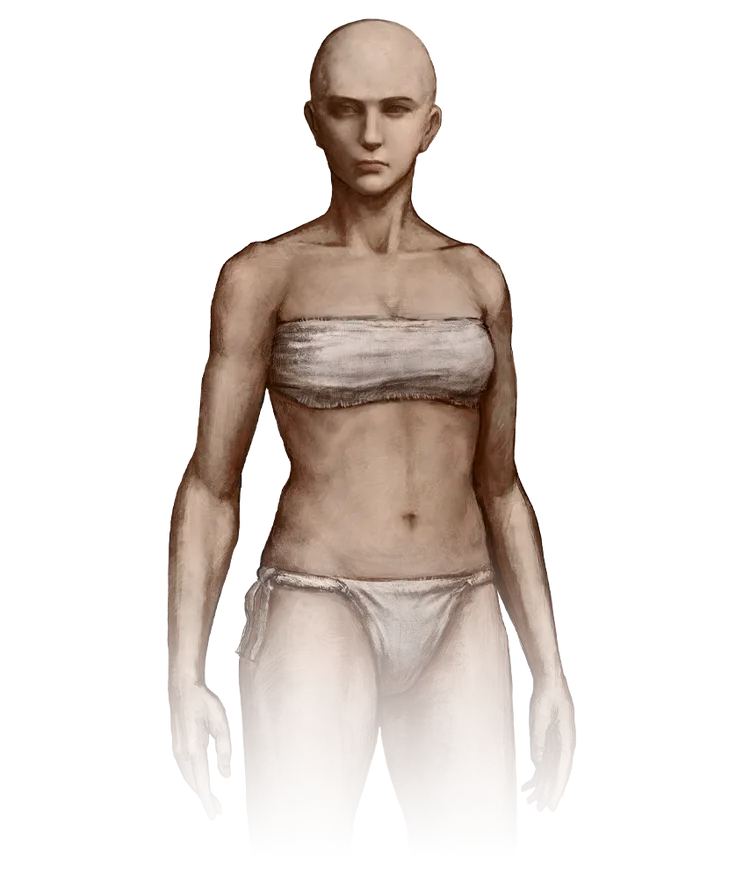
Wretch
For the boldCompletely stat-neutral and starts naked with a club. Technically the most flexible build long-term — but absolutely not recommended for your first run.

Vagabond
Best for beginnersHigh health, solid armour, and a good sword. If you want a traditional knight fantasy with room to breathe, start here. Forgiving and straightforward.
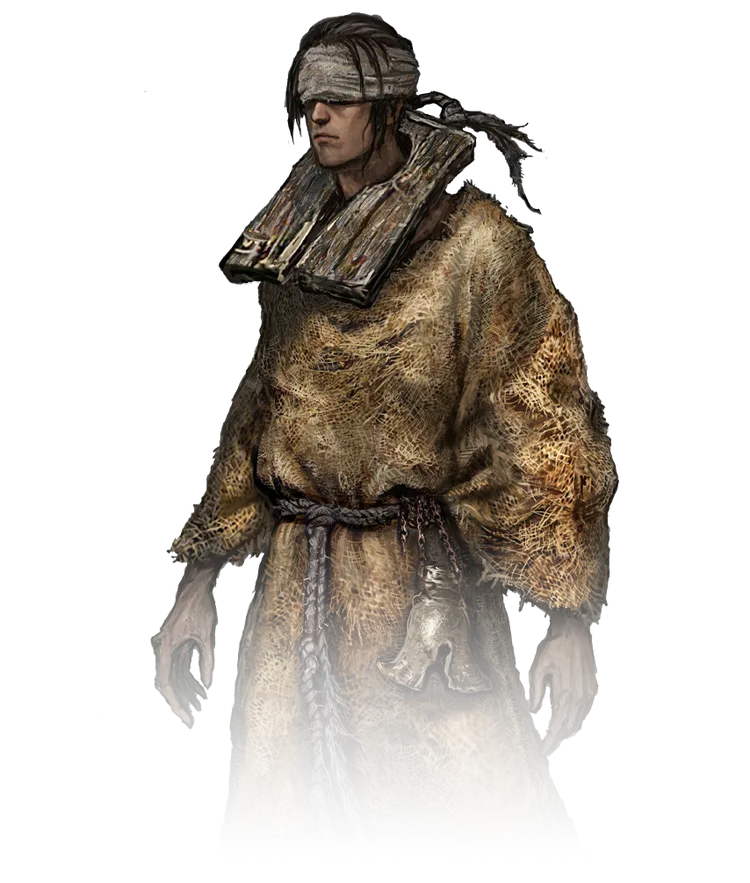
Prophet
Faith magicThe incantation equivalent of the Astrologer. Low health and defence, but strong Faith scaling lets you cast healing and offensive spells from the start. Rewarding but fragile.
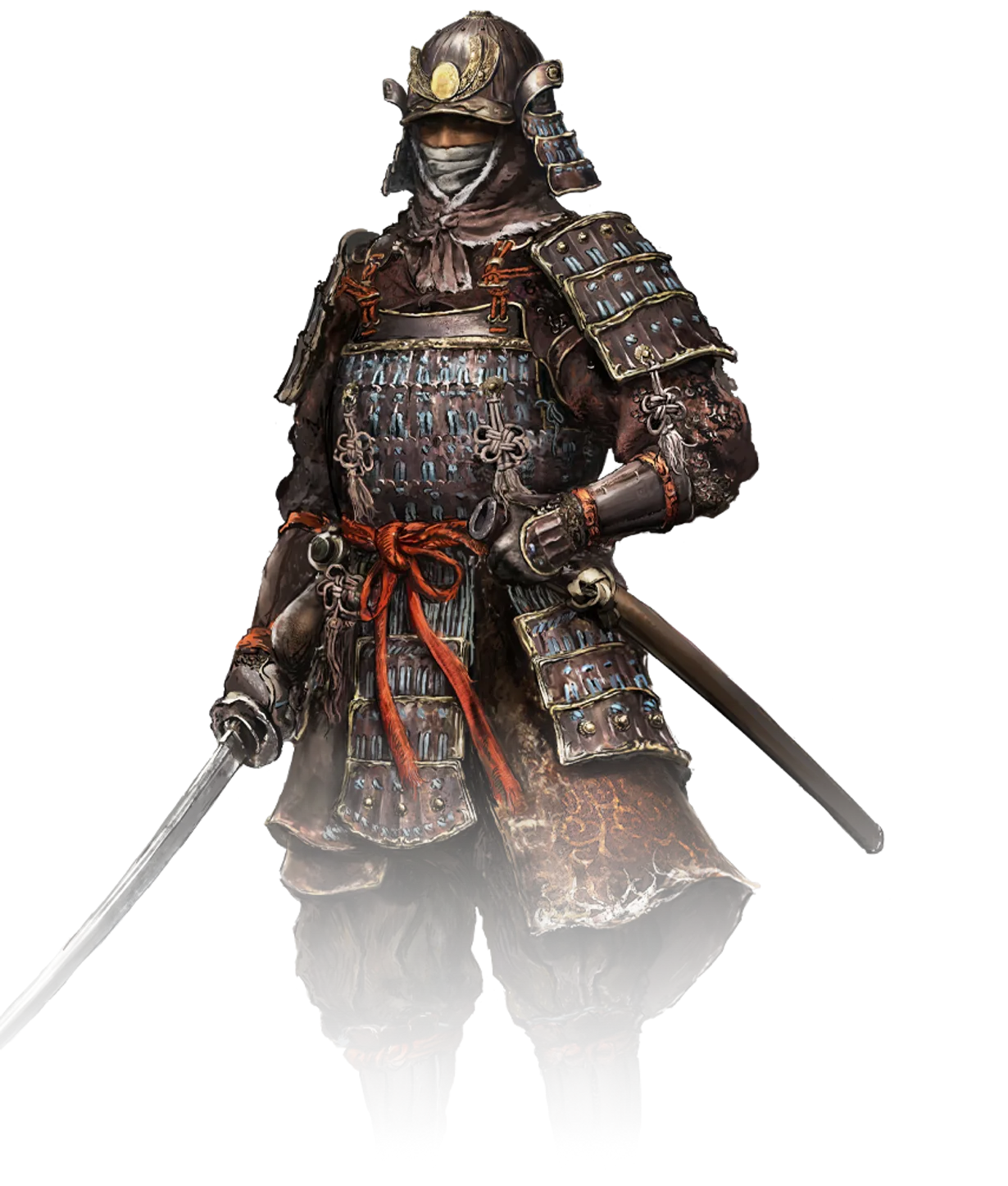
Samurai
Fast & skilledExcellent starting gear including a katana and a longbow. A solid pick if you want something that feels responsive and aggressive.
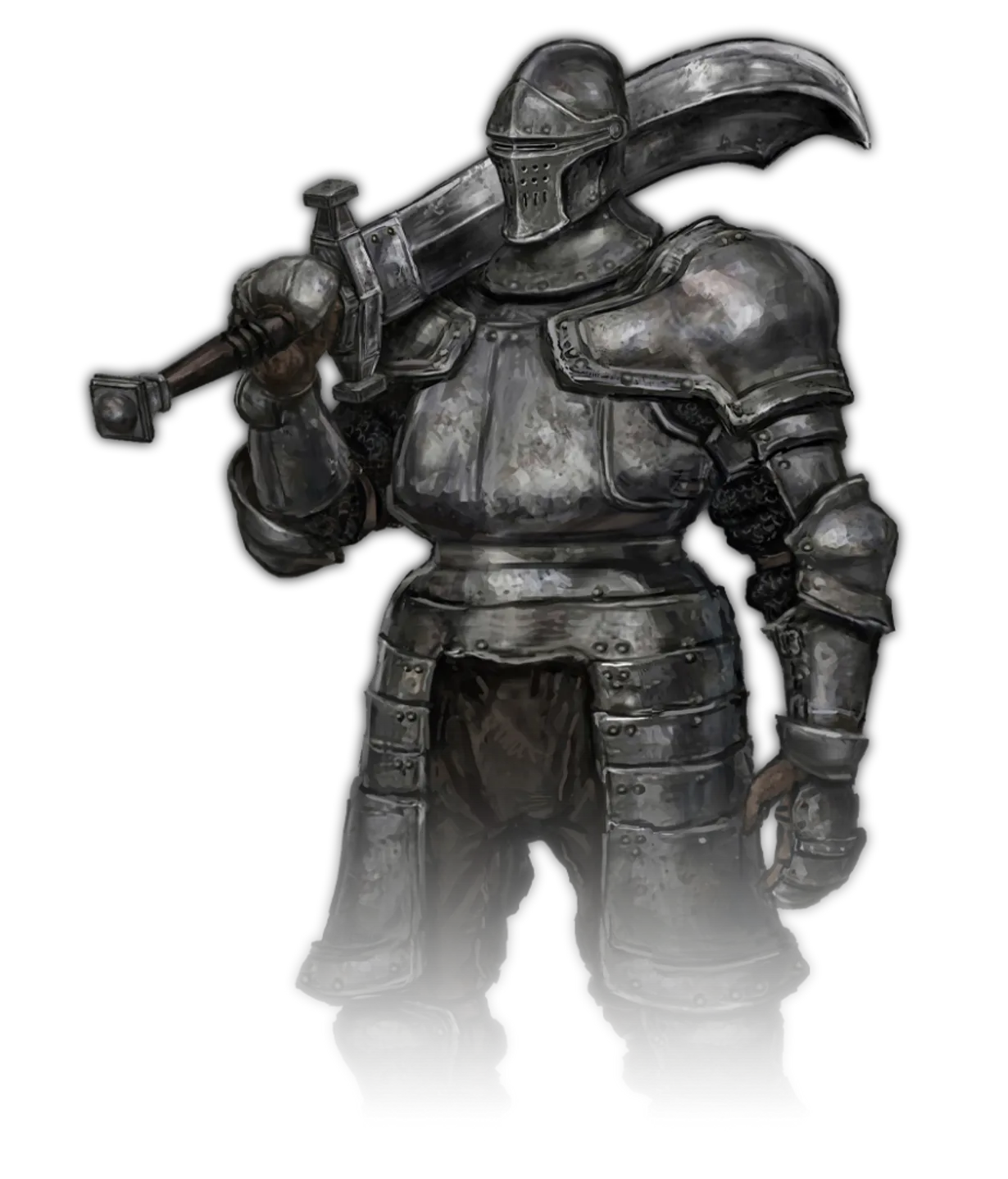
Heavy Knight
Tarnished EditionA tank-focused class with high Strength and Endurance. Built to wear the heaviest armour and absorb punishment. Slow, but almost impossible to stagger.
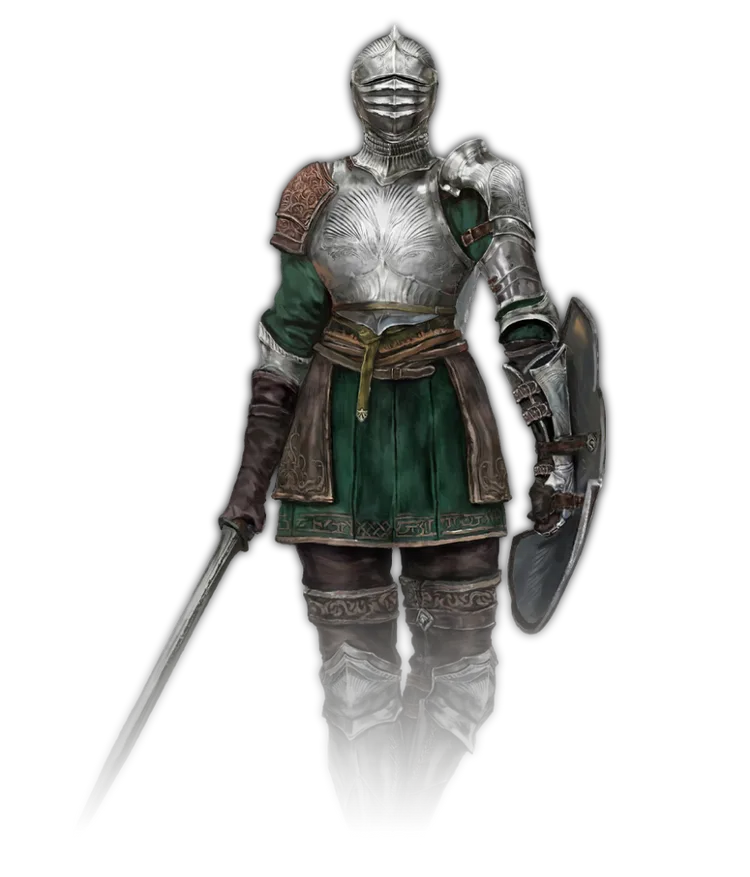
Erdus Knight
Tarnished EditionA well-rounded knight class with balanced stats and strong starting gear. A good all-rounder for players who want flexibility without committing to a specialised build.
Tip
If you’re truly unsure: pick Vagabond. You can figure out the build stuff later once you know whether you’re enjoying the game.
What are stats?
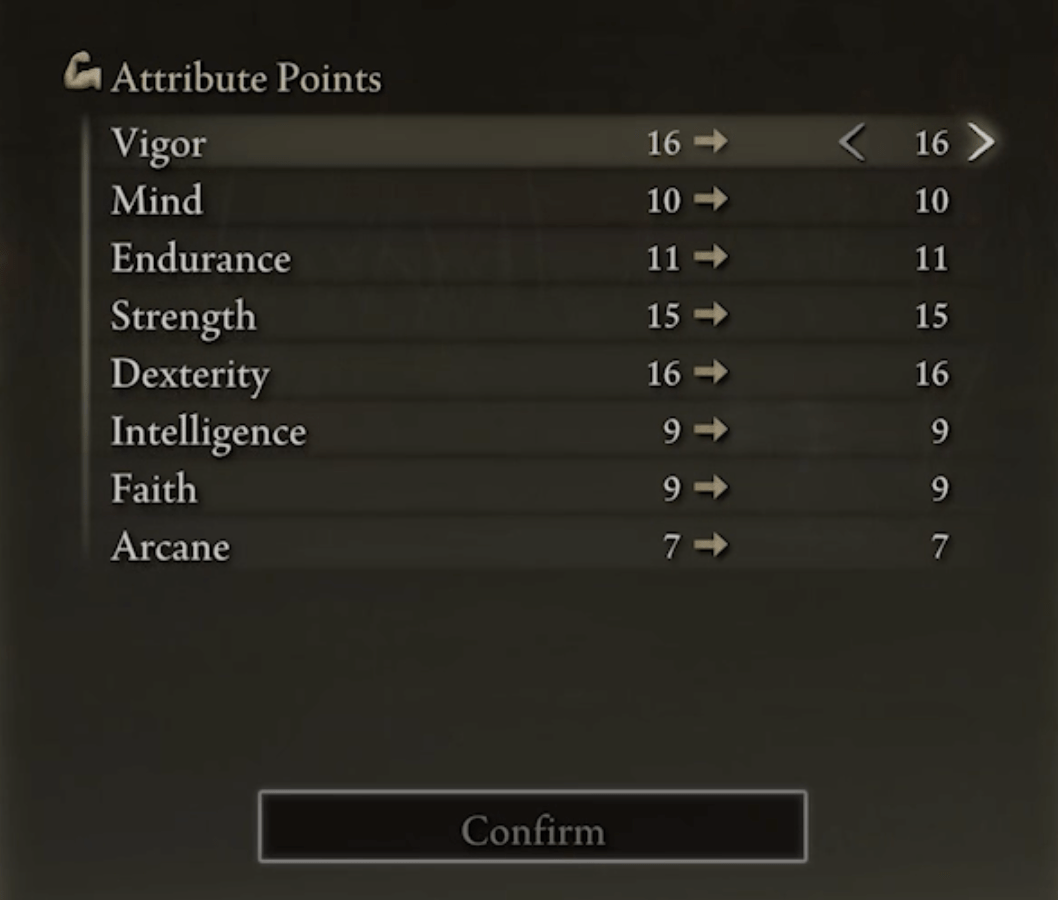
Stats in Elden Ring determine your character’s strengths and weaknesses, and they can be levelled up.
To explain it simply, there are two types of stats:
- Physical attributes: Vigor, Mind, and Endurance
- Damaging attributes: Strength, Dexterity, Intelligence, Faith, and Arcane
The physical attributes impact your character directly and influence how much health, stamina and magic ability you have.
Tip
Put points into Vigor first. More HP gives you more room to make mistakes.
Damaging attributes, meanwhile, all impact how much damage you inflict on enemies. Here’s what each stat affects:
- Vigor: This is your health, the red bar. Level it to increase your overall health, which is important early on.
- Mind: This is your FP, the blue bar. Level it to increase the number of spells you can cast, your ability to summon Spirit Ashes, and to use the special abilities of your weapon, called Ashes of War.
- Endurance: This is your stamina, the green bar. Level it to increase your ability to attack, dodge, and block enemy attacks. It also determines your equipment load, meaning how much you can carry in armour and weapons.
- Strength: Slower but harder-hitting weapons require Strength. Level it to increase your attack damage on enemies on Strength-scaling weapons, and to meet the requirements of any Strength-based weapons.
- Dexterity: Faster but lighter-hitting weapons require Dexterity. Works similarly to Strength, but for Dexterity-based weapons.
- Intelligence: Sorceries require Intelligence. Level it to increase the damage of your sorceries and which sorceries you have access to use.
- Faith: Incantations require Faith. It works similarly to Intelligence – level it to increase the damage of your incantations and which incantations you have access to use.
- Arcane: A confusing stat as it does a lot. Level it to increase holy defence and death resistance, increase the damage of Arcane-scalling weapons, increase item discovery and improve resistance to poison, bleed, sleep, and madness buildup.
At the beginning of the game, you’ll want to concentrate on Vigor (To increase your health) and a damaging attribute, depending on which weapon you start with and what you prefer to play with.
You’ll also want to level up Stamina whenever you feel you’re running a little short of it during combat. I’d avoid levelling up Arcane, unless, towards the end-game, you’re using an Arcane-scaling weapon.
Tip
You can respec all of your stats using a Larval Tear later in the game, so don’t worry if you feel you’ve messed up your build or levelled stats you later regret – you can change it!
What the hell is weapon scaling?
Weapons in Elden Ring all require base stat requirements, which are listed on every weapon in the in-game menu. You’ll need to match each stat to use the corresponding weapon and level the same stat to increase your damage output with the weapon.
The damage you inflict on an enemy is comprised of two factors:
- Your weapon’s base damage, which is increased by upgrading your weapon
- Your weapon’s Attribute Bonus, which is extra damage inflicted on an enemy based on your stats
Every weapon scales with one or more stats, and you’ll see a letter (E [The lowest], D, C, B, A, S [The highest]) dictating how much a stat influences the Attribute Bonus.
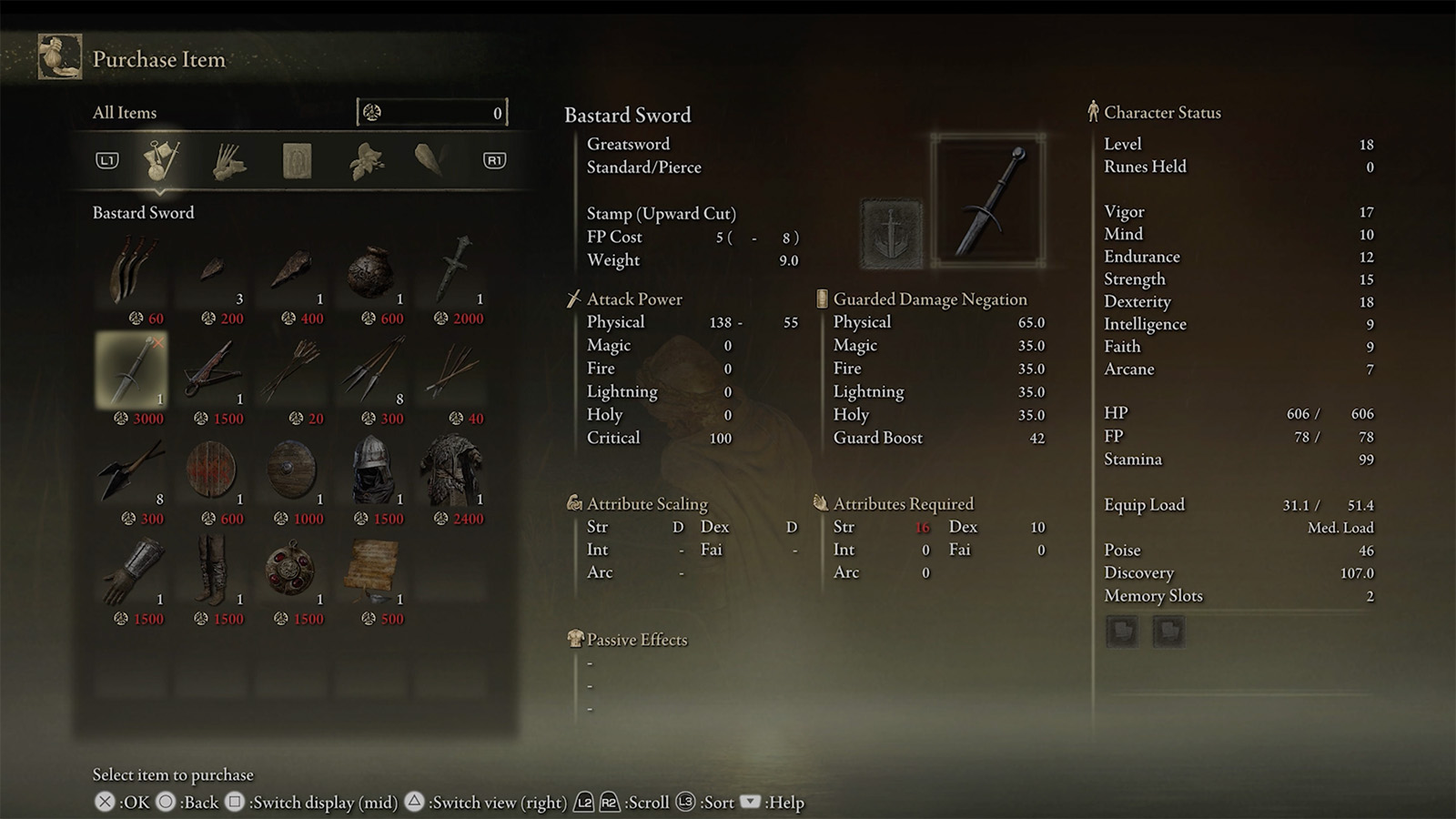
It’s also worth noting that the Scaling of a weapon can increase (Say, from A to S) as you upgrade your weapon, or if you apply an Ash of War that changes its affinity, which means its focus on scaling with a specific stat.
For example, the Moonveil katana, one of my favourite weapons and an excellent choice for Intelligence-based players, requires:
- Strength: 12 points
- Dexterity: 18 points
- Intelligence: 23 points
Its base scaling works as Strength E, Dexterity D, and Intelligence C, but once upgraded improves to Dexterity B and Intelligence B. This means that the Moonveil, once fully upgraded, scales off both Intelligence and Dexterity, applying huge amounts of Attribute Bonus damage if both stats are highly levelled.
Tip
While exploring the Lands Between, you’ll also find Talismans that can provide you with additional buffs and boosts, like increasing attack damage, your HP or FP, increasing stamina recovery speed, and more. Make sure to keep an eye out for these as there are multiple Talismans for every build.
Combat basics
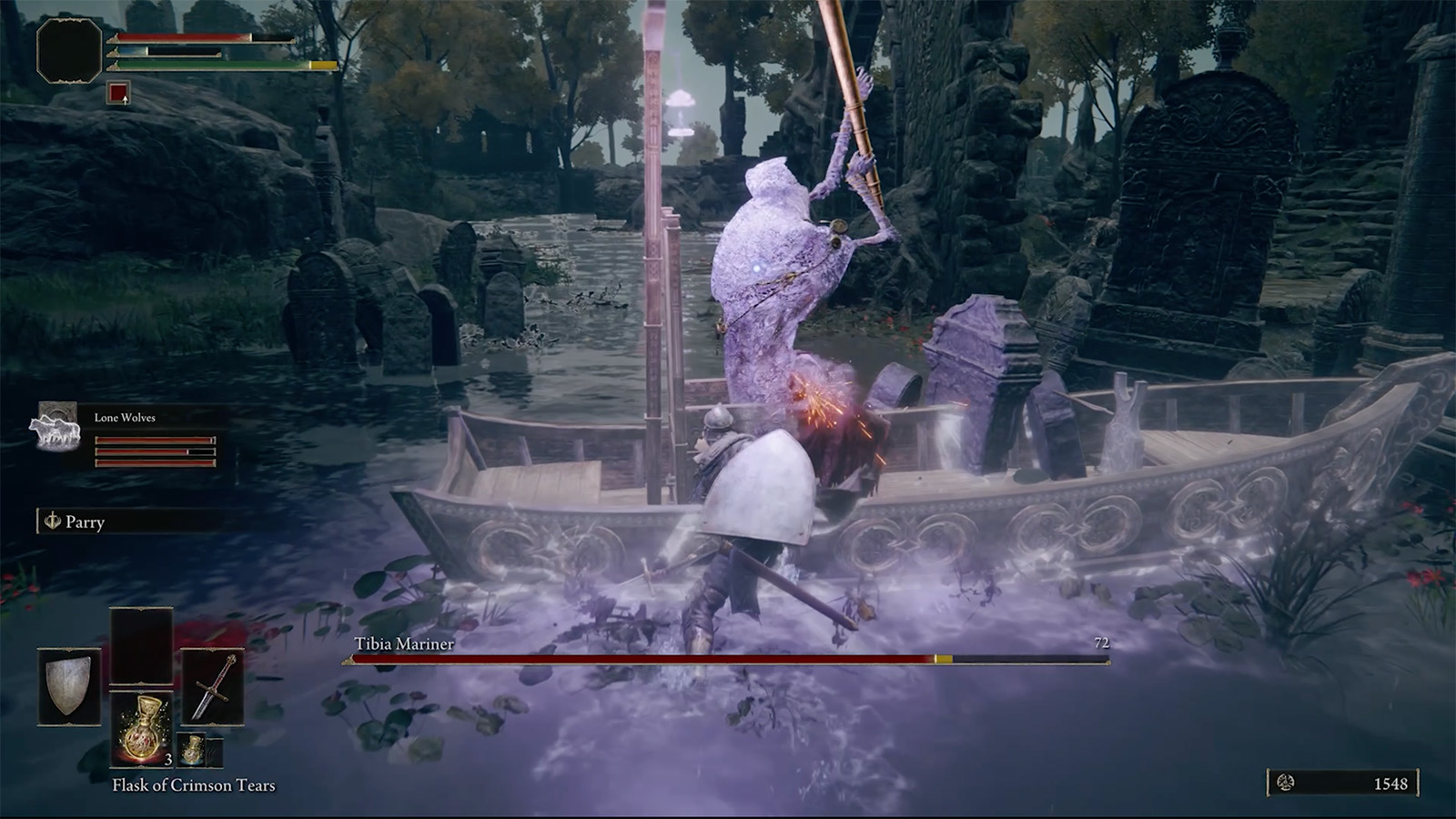
Elden Ring combat is not about mashing. It’s about reading your opponent, managing your stamina, and picking the right moment to attack. That sounds more complicated than it is, but after a few hours, it’ll become an instinct to you.
Two-handing your weapon (hold Y/Triangle and press attack) increases your damage output significantly, and two-handing raises your Strength by 50% – handy for when you almost have the required stats and need a little boost for a weapon.
If you’re new to Elden Ring and Souls-likes in general, I recommend you keep a shield raised in your left hand, and always hold it up to block enemy attacks.
Tip
If you block an enemy attack with your shield, you can perform a Guard Counter that deals a lot of damage and can stagger enemies, allowing you to land additional attacks.
Flasks and healing
You’ll unlock two important items early on: the Flask of Crimson Tears, which restores HP, and the Flask of Cerulean Tears, which restores FP. Both flasks have a limited number of uses, but they are automatically refilled whenever you rest at a Site of Grace, the game’s checkpoints.
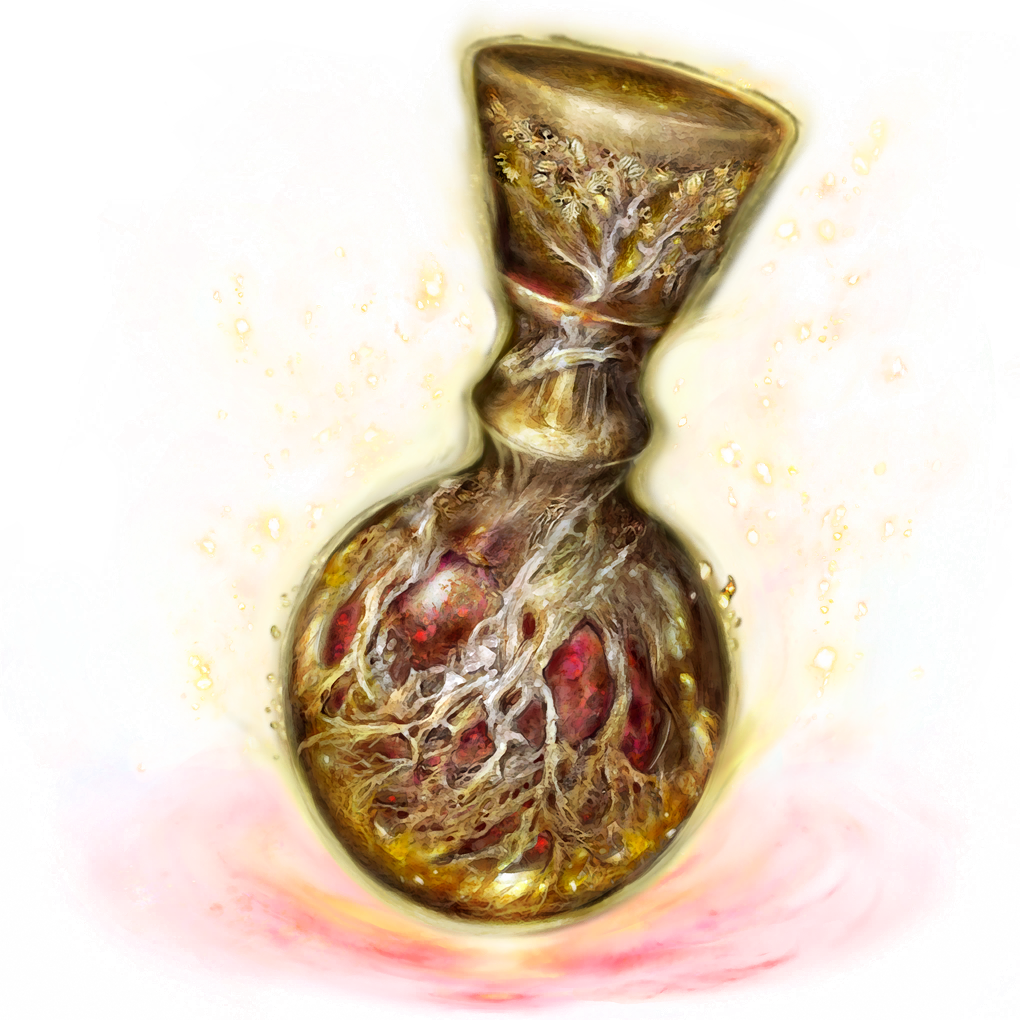
Flask of Crimson Tears
Restores HPFound at Stranded Graveyard.
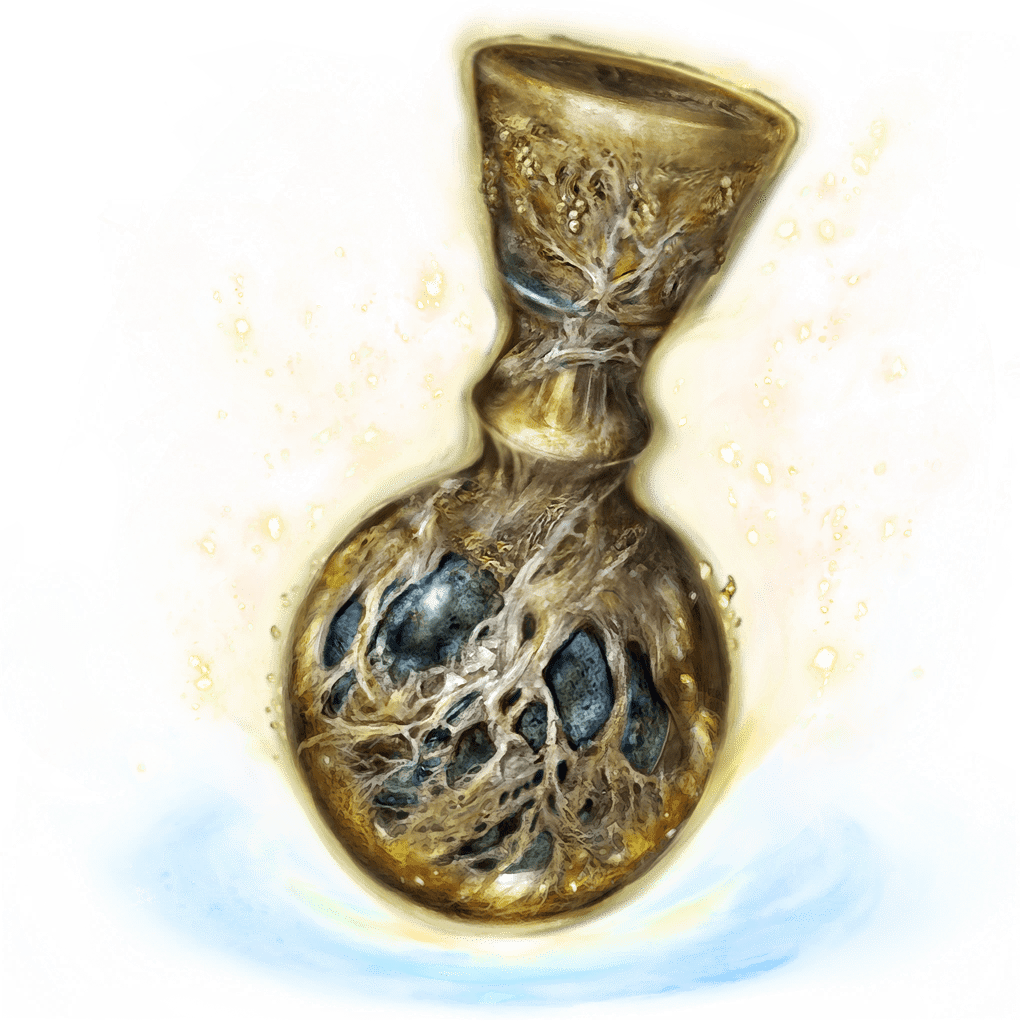
Flask of Cerulean Tears
Restores FPFound at Stranded Graveyard.
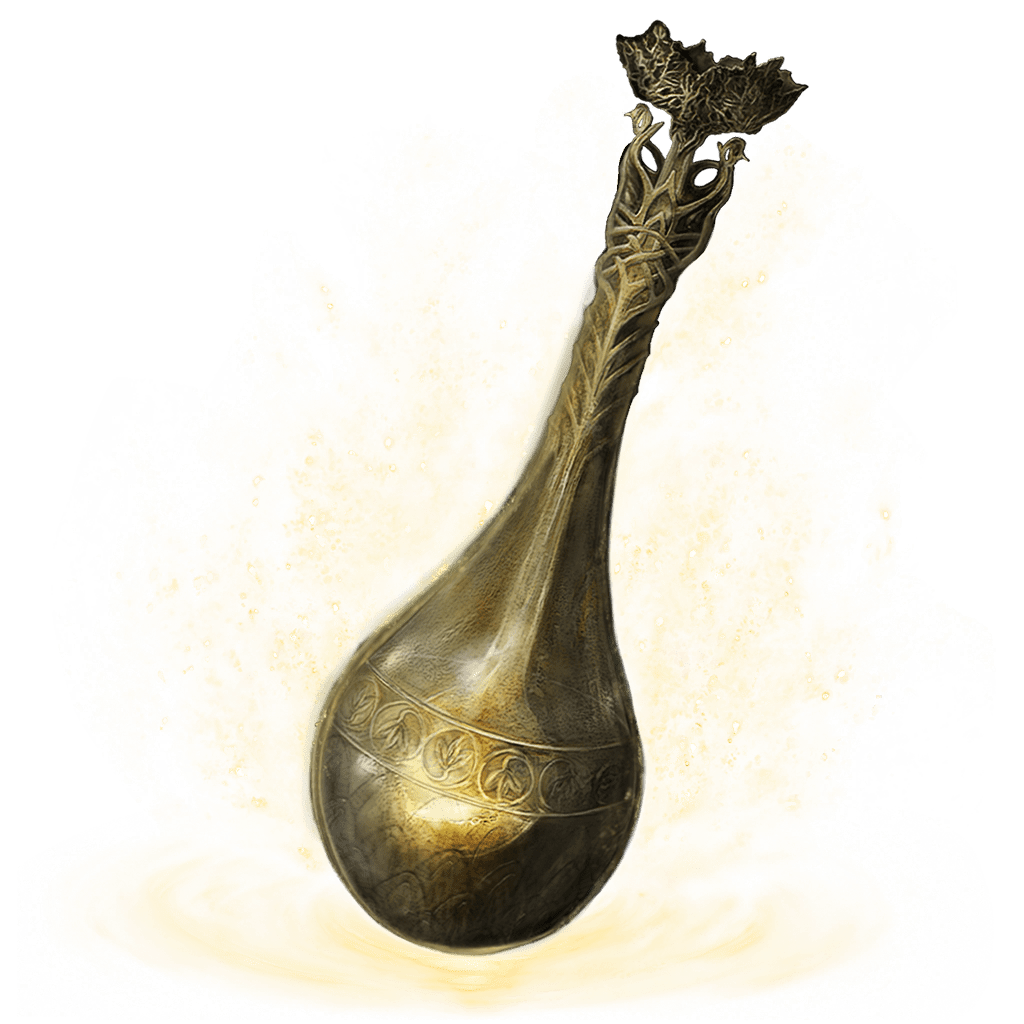
Flask of Wondrous Physick
Triggers temp buffFound at Third Church of Marika.
You can upgrade these flasks using Sacred Tears and Golden Seeds found throughout the game’s world, and you can allocate flasks to favour HP or FP restoration, depending on your build.
Finally, there is also the Flask of Wondrous Physick, which applies the effects of a Crystal Tear. You can combine Crystal Tears found across the world into the flask to trigger temporary buffs once the flask is consumed – such as restoring half of all HP, eliminating all FP usage for a short time, and more.
Stats, Runes and levelling up
Runes are Elden Ring’s currency. You earn them by killing enemies, and you spend them to purchase crafting materials, resources, armour, and weapons, and you use them to level up your weapons and your stats. When you die, you drop all your runes where you fell. You have one chance to retrieve them. If you die again before getting there, they’re gone.
That said, don’t let the rune system stress you out too much. Lost runes feel devastating in the moment, but they’re recoverable. The game generates enough that a few lost Runes won’t derail you.
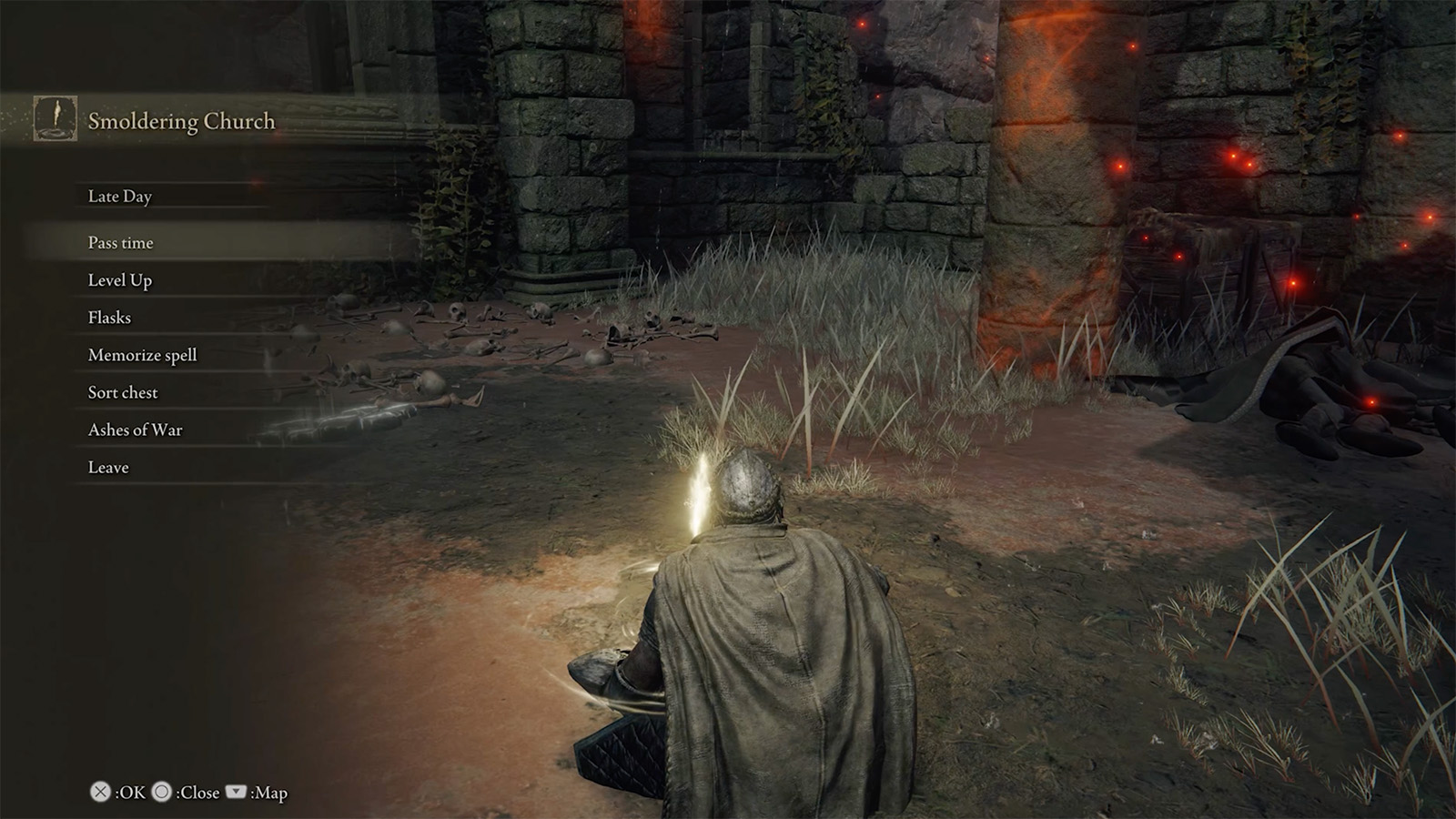
How does levelling up work?
Once unlocked (Check my guide for your first hour in Elden Ring for more information), you can level up at any Site of Grace using the Runes you earn by defeating enemies. From there, you just increase the stats you want to level up, and confirm.
If you’re not sure how many Runes are needed for your next level, open the in-game menu and navigate towards the Status tab, which will display your current build as well as how many Runes you are carrying and how many you need to level up.
The open world
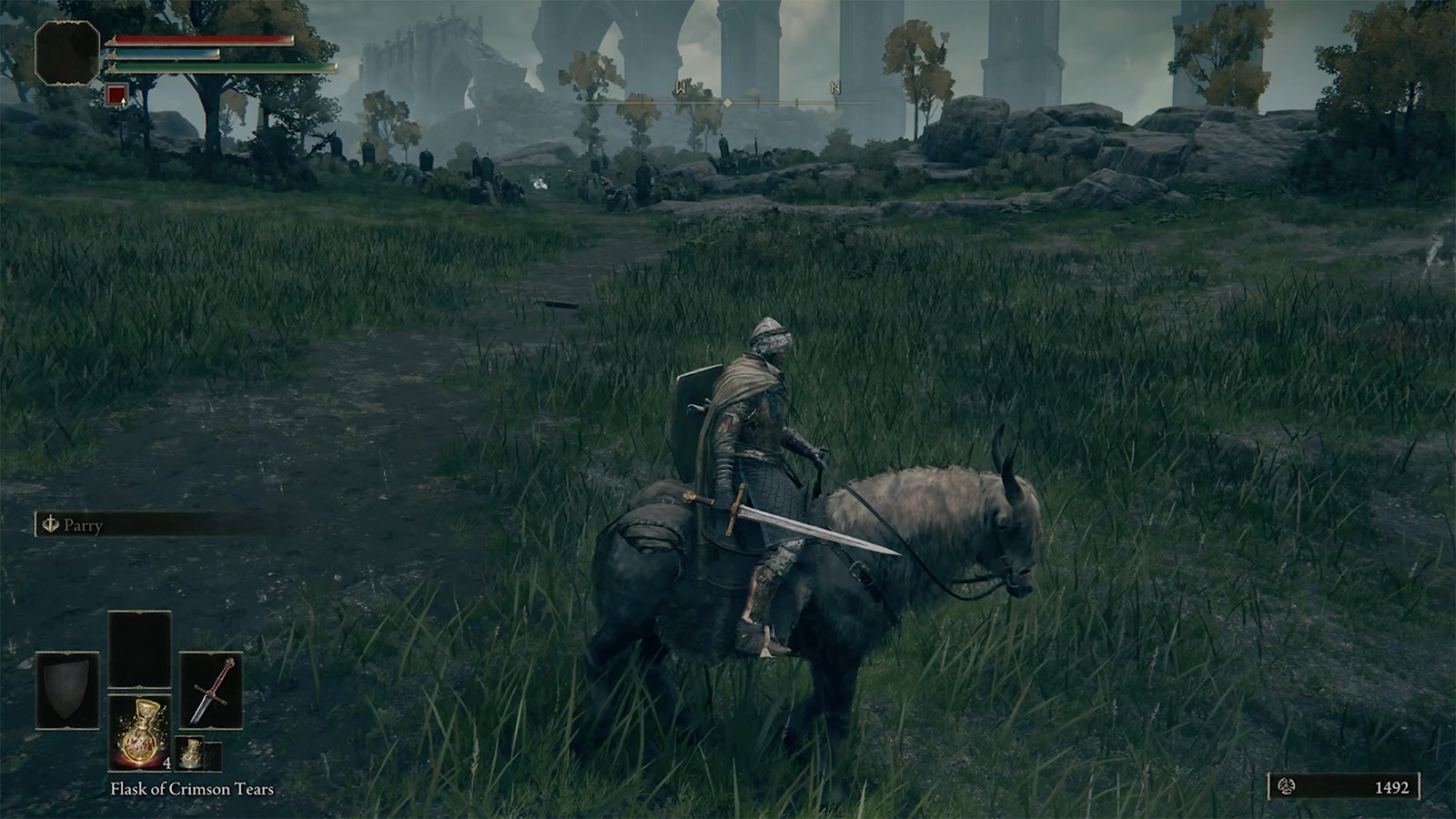
Elden Ring is FromSoftware’s first fully open world game, and they made good use of it. The map of the Lands Between – the world the game is set in – is large, but it’s not filler as almost everything you stumble across is deliberate, whether that’s a cave with a useful upgrade material, a merchant with a key item, or an NPC with a questline the game never explicitly tells you about.
The golden rule: explore wide before you go deep. If a boss or area feels impossible, the answer is almost always to go somewhere else first, gain a few levels, find better gear, and then come back.
There are several systems in play throughout the world to also help you:
Sites of Grace
CheckpointsGolden glowing spots scattered across the world. Touch every one you find because they act as checkpoints, fast travel points, and where you level up. Never skip one.
Stake of Marika
Respawn pointSmall white stakes found near tough encounters and bosses. If you die nearby, you can respawn at the stake instead of your last Site of Grace, saving you a long run back from your last checkpoint.
Map Fragments
Unlock your mapThe map starts almost blank. But if you look carefully, you should see a stone pillar with a golden glow in each region. Head towards them to collect the Map Fragment and slowly unlock the entire map of the Lands Between.
Legacy Dungeons
Main contentThese are big, structured areas that house the most important bosses in the game, including shardbearers, the major bosses you need to defeat to progress the main story. Treat these as the main event, so expect to level up a lot before ever trying these.
Dungeons
Great for new gearCatacombs, caves, and tunnels dotted across the map. Shorter and more focused than legacy dungeons, but still worth doing as they’re some of the best places to find upgrade materials and useful gear early on.
Roundtable Hold
Hub areaA safe zone you unlock early on that you can teleport to where you can level up, upgrade gear, and talk to NPCs between adventures. It’s worth checking back regularly as characters and questlines move through here as you progress.
One of the most important, however, is Torrent, a horse you receive at the beginning of the game that allows you to traverse the Lands Between quickly and easily, and can be used in combat.
On dying (A lot)
You’re going to die. A lot. To enemies you underestimated, to falls you didn’t see coming, to bosses on phase two (Or three) when you thought you had it. That’s fine. That’s part of Elden Ring and Souls-likes.
The way Elden Ring teaches you is through failure. Every death is information. You learned what that attack does, you learned that you can’t tank through that hit, you learned that the jump is just slightly too far. The game requires more patience than it seems.
But Elden Ring also provides you with a lot more tools to assist you. Items can be found constantly throughout the game, and reading their descriptions can provide you with tips on bosses and enemies, as well as general lore if you’re a story fanatic.
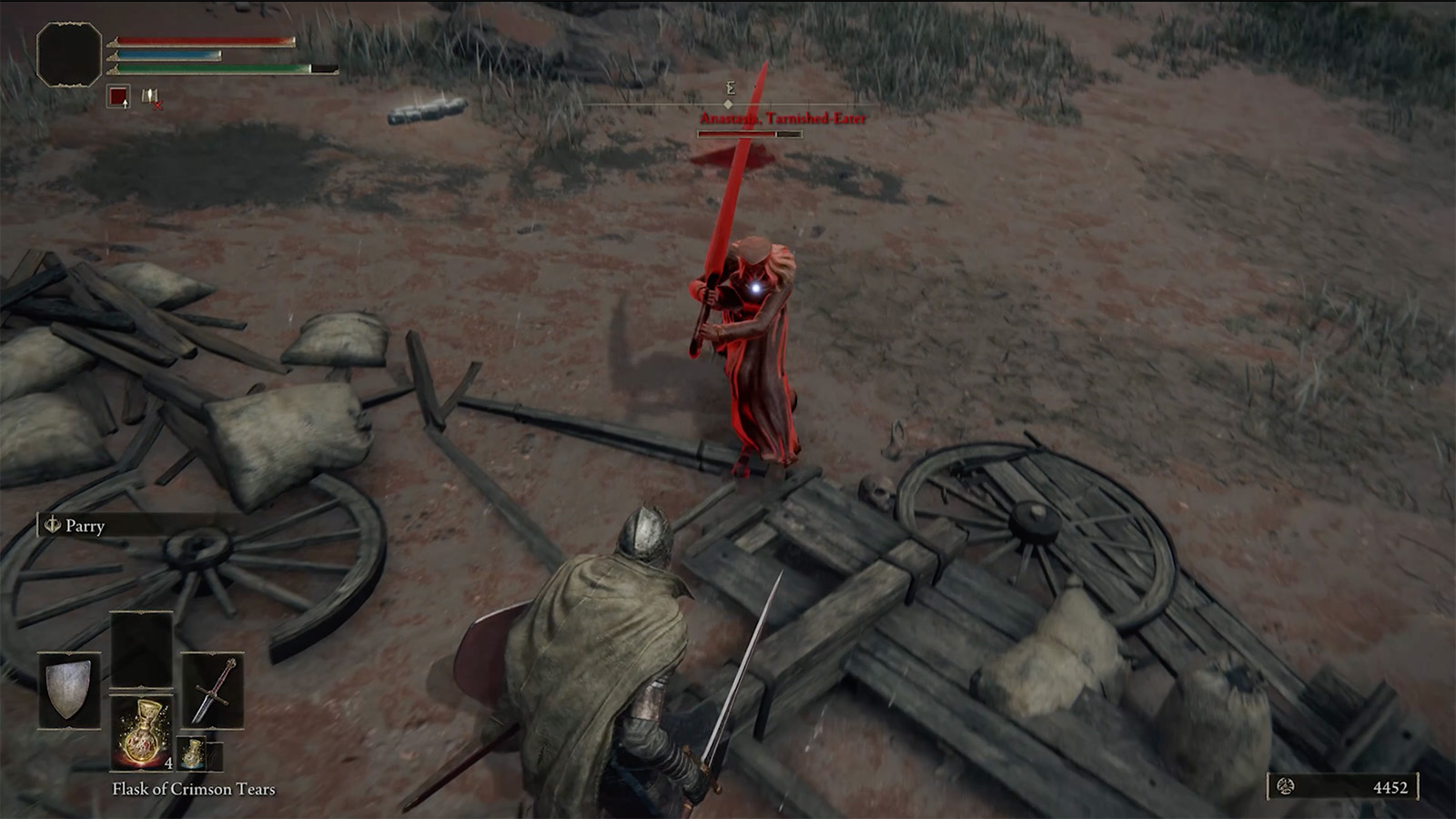
There are also Summons. Whether playing offline or online, you can summon NPCs to assist you beside fog gates (The golden doors before boss encounters) as well as Spirit Ashes, which are companions that mimic the game’s enemies and bosses and aid you in combat – but they can’t be used everywhere. If you’re also playing online, you can summon other players to assist you or, if you’re brave enough, help other players in their game.
You’re free to use these tools and gameplay mechanics as needed, so if you’re struggling, use them. If you want more challenge, avoid them. It’s all up to you but don’t be afraid of seeking out help if needed.
Tip
When playing, you may also get invaded by NPCs, as well as other players if playing online. You can also invade players yourself, if you’re looking to spark some mischief.
Your first hour
After the opening cutscene, you’ll end up in a cave. This is the tutorial area, and it does a decent job of explaining the basics if you read through the messages on the round, but it’s easy to rush through.
Slow down. Read the messages on the ground and complete the tutorial to grasp the basics. Once you emerge into the world of the Lands Between, you’ll want to start exploring.
If you’re feeling stuck though, I’ve prepared a guide on what to do in your first hour to make the early game easier for you. Begin here if you’ve just started the game.
Tip
Try not to hit the first major boss before you’ve explored the starting region of Limgrave properly, including the island south of it. You’ll hit a wall and it’ll feel unfair, not because it is, but because you went there too early.
10 beginner tips for Elden Ring
A few things nobody tells you that would have saved a lot of grief:
- You can jump attack. Jump and hit the attack button for a jumping strike that deals bonus damage and breaks enemy poise faster.
- Upgrade your flask. Golden Seeds increase your number of Crimson Tears (Health flasks) while Sacred Tears increase how much each flask heals. Both matter enormously.
- Upgrade your weapon using Smithing Stones. Weapon damage scales significantly with upgrades and makes early-game bosses much more manageable.
- Check your equip load. If you’re over 70% load, your rolls become slow and sluggish. Either equip lighter gear or raise your Endurance.
- Spirit Ashes let you summon allies into fights. They’re found throughout the world and can be a genuine lifesaver. Don’t sleep on them.
- Read item descriptions. The lore is mostly told through items, and the descriptions occasionally contain genuinely useful hints about what something does or where to go.
- If something feels wildly too hard, you haven’t hit a wall — you’ve just found something that’s meant for later. Go somewhere else and come back later.
- Speak to NPCs constantly until they begin repeating their dialogue. You don’t want to miss anything and many of them offer hints and tips, as well as general guidance on where to go.
- If you’re running into issues fighting a certain boss, take a break! You’ll feel much better after some rest and ready to take on the challenge again.
- Use online communities like r/EldenRing if you need more help or just want to talk to fellow players for more tips (Or contact us on socials!)
Tip
The community is full of helpful people, but also full of people who’ll throw out late-game boss names in a thread titled “beginner question”. Tread carefully in forums and comment sections.